- Call the factory at
- 057 573 1685


Types of granite for headstones
August 20, 2026How much does a gravestone cost?
September 1, 2026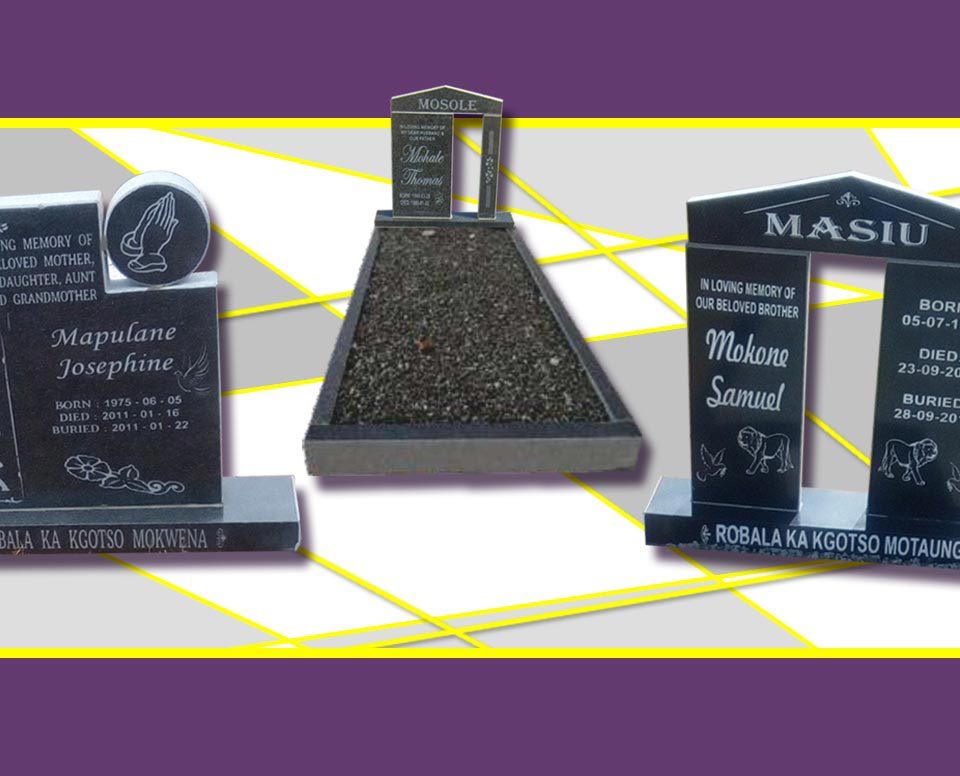
Royal Range

Budget Range

Standard Range

Executive Range

Double Range

Child Range

Choosing between marble and granite gravestones is partly an aesthetic decision, but appearance is only one factor. The stone must also cope with years of rain, sun, temperature changes, soil moisture and routine cemetery maintenance. The quality of the inscription, foundation and installation matters just as much as the material itself.
In a direct marble vs granite gravestones comparison, granite is generally the more durable and lower-maintenance option. It is hard, available in numerous colours and finishes, and capable of retaining polished surfaces and detailed lettering for many years. Marble offers a softer, classical appearance with distinctive natural veining, but its surface is more vulnerable to weathering, staining and acidic substances.
That does not make marble unsuitable. A carefully selected marble memorial may be the right choice for a family that values its traditional character and accepts the need for gentler cleaning and closer maintenance. The better choice depends on the cemetery environment, design, budget and the type of finish the family wants.
This guide explains the practical differences between the two stones so that South African families can make an informed decision before selecting a memorial.
Marble vs granite gravestones at a glance
Granite is usually best for long-term durability, colour choice and low maintenance. Marble is often preferred for its pale colouring, natural veining and traditional sculptural appearance.
The main differences are:
- Stone composition: Granite is an igneous rock commonly containing minerals such as quartz and feldspar. Marble is a metamorphic rock formed mainly from recrystallised carbonate minerals, usually calcite or dolomite.
- Hardness: Granite is harder and more resistant to scratching and surface wear.
- Weather resistance: Granite generally withstands outdoor exposure better. Marble can gradually lose polish and fine surface detail.
- Appearance: Granite is available in light, dark and strongly patterned colours. Marble is known for pale tones and flowing veins.
- Lettering: Both can be inscribed, although granite tends to preserve crisp lettering and polished contrast more effectively over time.
- Cleaning: Both need non-abrasive care, but marble is particularly sensitive to acidic cleaners.
- Cost: The final price depends on the stone, size, thickness, design, finish, lettering, accessories and installation rather than the material name alone.
How granite performs as a gravestone material
Granite has become a widely used memorial material because it combines strength with design flexibility. Its interlocking mineral structure creates a dense, hard surface that can be cut, polished, sandblasted and engraved. A polished face can provide strong contrast for lettering, portraits and decorative motifs.
There is no single type of granite. Different varieties have different mineral patterns, colours and grain sizes. Black and dark granites often produce sharp visual contrast, while grey, red, brown and lighter options can suit more traditional or understated designs. Natural variation is expected, so a sample should be treated as representative rather than as a perfect picture of every slab.
Advantages of granite gravestones
- Good resistance to weathering, scratching and everyday cemetery exposure
- A broad choice of natural colours and patterns
- Suitable for polished, honed and textured finishes
- Capable of holding detailed inscriptions and decorative work
- Relatively straightforward to maintain with suitable cleaning methods
- Well suited to upright headstones, full memorials and double gravestones
Granite is durable, but it is not maintenance-free. Dust, hard-water deposits, bird droppings, lichen and organic growth may still collect on the surface. Joints, foundations and attached accessories can also deteriorate independently of the stone. A high-quality slab cannot compensate for poor anchoring or an unstable base.
Possible limitations of granite
Granite can be heavy, which affects handling, transport and foundation requirements. Highly polished dark surfaces may also show dust, mineral deposits or fingerprints more readily than textured stone. Repairs to chips or damaged corners may remain visible because natural mineral patterns are difficult to reproduce exactly.
Families should also ask how lettering will appear on the selected colour. An inscription that is clear on black polished granite may require a different technique or finish on a pale, heavily patterned slab.
How marble performs as a gravestone material
Marble has a long association with monuments, sculpture and architecture. Its fine crystalline texture allows graceful shaping, and its pale surface can give a memorial a calm, traditional character. Veining makes every piece visually distinctive.
The same mineral composition that gives marble its appearance also makes it more chemically sensitive than granite. Calcite-based marble reacts with acids. Acid rain, harsh household chemicals and acidic cleaning products can etch the surface, reducing its shine and softening fine carved detail. Outdoor marble may develop a weathered appearance over time, particularly in exposed or damp conditions.
Advantages of marble gravestones
- A classical appearance suited to traditional memorial designs
- Natural veining that gives each memorial an individual character
- A fine texture that works well for carved and sculptural elements
- Light colours that may suit families seeking a softer visual effect
Possible limitations of marble
- More vulnerable to acid damage and surface etching
- Likely to lose polish and crisp detail sooner than quality granite outdoors
- Can absorb staining if contaminants remain on the surface
- Requires cautious cleaning with suitable pH-neutral products
- May show biological growth more noticeably in shaded or damp positions
Marble can still be a meaningful choice, especially where the family values its natural ageing and traditional look. The decision should be made with realistic expectations. A marble headstone that develops a softer, weathered surface is not necessarily defective; it may be the result of the stone’s natural response to outdoor exposure.
Which stone handles South African conditions better?
South African cemeteries can expose memorials to intense sunlight, seasonal rain, wind-blown dust, irrigation water and substantial temperature changes. Conditions also vary between towns and even between sections of the same cemetery. A shaded plot beneath trees presents different maintenance issues from an open, dry site.
For most exposed cemetery settings, granite is the practical choice. It generally copes better with weathering and retains a polished finish for longer. Marble requires more careful maintenance and may change in appearance sooner.
Local conditions to consider include:
- Drainage: Water collecting around the base may contribute to soil movement, staining and biological growth.
- Ground stability: Expansive, loose or settling soil can place pressure on the foundation, regardless of stone type.
- Irrigation: Repeated sprinkler exposure can leave mineral marks on polished surfaces.
- Trees and vegetation: Sap, leaves, roots, birds and shade may increase cleaning needs.
- Cemetery maintenance: Grass-cutting equipment can chip low edges or damage accessories if there is insufficient clearance.
- Temperature variation: Correct joints and installation methods help the memorial cope with normal movement and exposure.
Before approving a design, confirm the cemetery’s current rules. Cemeteries may regulate dimensions, foundations, installation times, permitted structures and contractor access. Requirements can differ between municipalities and individual cemeteries in the Free State and elsewhere in South Africa.
Appearance, colour and memorial design
Material should be selected alongside the complete design. A stone that looks attractive as a small showroom sample may create a different effect across a large headstone, kerbing or full grave covering.
Marble tends to suit designs with pale stone, flowing lines and carved detail. Granite offers more colour variation and can support both restrained and elaborate memorials. A polished granite face can make engraved lettering prominent, while contrasting textured areas can add depth without relying on extra ornament.
Consider how these elements work together:
- The legibility and size of the inscription
- Contrast between lettering and the stone background
- The number of names, dates and messages required
- Religious, cultural or family symbols
- Photographs, ceramic plaques or engraved portraits
- Vases and other fitted accessories
- Single, double or family-plot dimensions
- How easily the finished memorial can be cleaned
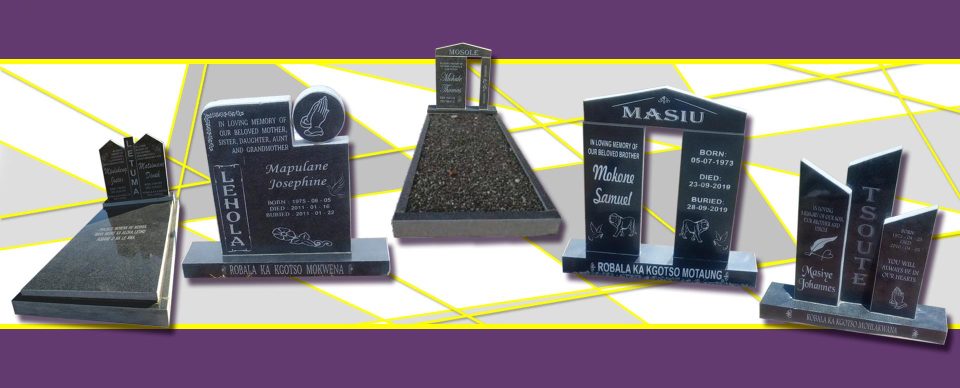
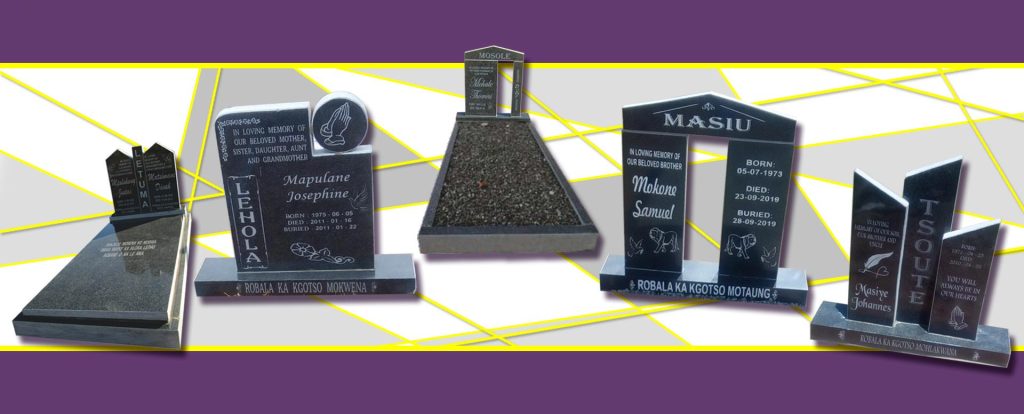
Families comparing options can explore Tombco’s budget gravestone range, standard memorial range and executive designs. These categories are useful starting points for discussing design and budget, but the exact stone, finish, dimensions and inscription should always be confirmed for the chosen memorial.
Does granite always cost more than marble?
Material type alone does not determine the price. A simple granite headstone may cost less than an elaborate marble memorial, while a rare granite colour, large slab or complex design may increase the quotation. Comparing only the headline price can hide important differences in size, workmanship and installation.
Ask for a quotation that clearly identifies:
- The stone type and colour
- The overall dimensions and stone thickness
- The finish on visible surfaces and edges
- The amount and method of lettering
- Decorative elements and accessories
- The foundation and installation work included
- Transport or location-related charges, where applicable
- Any cemetery fees or permissions that remain the family’s responsibility
If two quotations describe different materials, dimensions or installation work, they are not direct comparisons. Obtain clarification rather than assuming that two visually similar memorials have the same specification.
Larger options can be viewed in Tombco’s double gravestone range. Families planning a highly detailed statement memorial can also review the Royal range. For the loss of a young family member, the child memorial range provides a more relevant place to begin a sensitive design discussion.
Cleaning marble and granite safely
Incorrect cleaning can cause permanent damage. Do not use wire brushes, abrasive pads, high-pressure washing or untested household chemicals. Bleach, acidic bathroom cleaners, vinegar and products designed to remove cement or rust can affect stone, lettering, joints and nearby metal fittings.
A cautious routine for an intact memorial is to remove loose debris gently, wet the surface with clean water and use a soft brush or non-abrasive cloth. If a cleaning product is needed, it should be appropriate for natural stone and used according to its instructions. Marble requires a pH-neutral product that will not attack carbonate stone.
Work from the bottom upwards when applying water or cleaner to reduce streaking, then rinse thoroughly with clean water. Do not scrape stubborn deposits with metal tools. If the stone is cracked, loose, leaning or flaking, cleaning should wait until a memorial professional has assessed it.
Biological growth is not always safely removed in one aggressive session. Repeated gentle treatment is preferable to damaging the surface. Historic or badly weathered marble may require specialist conservation advice rather than normal household cleaning.
Installation quality can matter more than material choice
A gravestone is a structural installation, not merely a decorative slab. Its stability depends on the soil, foundation, joints, anchoring method, weight distribution and compliance with cemetery requirements. Even durable granite can lean, separate or crack if the supporting work is inadequate.
Before installation, the grave may need time to settle, subject to local cemetery processes and ground conditions. The installer should account for the design’s weight and dimensions. Tall, heavy and multi-part memorials require particular care because unstable components can present a serious safety hazard.
Families should not attempt to straighten or dismantle a leaning memorial themselves. Stone components are much heavier than they appear and can move suddenly. Contact the original supplier or a suitable memorial installer for an assessment.
How to choose between marble and granite gravestones
A practical selection process keeps the decision focused on the family’s priorities rather than on colour alone.
- Check cemetery requirements. Confirm allowable dimensions, foundations and installation procedures before settling on a design.
- Assess the plot. Note drainage, shade, irrigation, nearby trees and access for installation.
- Set a complete budget. Include lettering, transport, accessories, foundations and installation, not only the headstone.
- Decide how much maintenance is realistic. Granite is usually more suitable if the family cannot clean or inspect the memorial regularly.
- Choose the desired ageing pattern. Select granite for stronger long-term polish retention, or marble if natural weathering is acceptable.
- Review lettering on the actual stone colour. Contrast and legibility are especially important for long inscriptions.
- Confirm the written specification. Make sure the order records the material, colour, dimensions, wording, finish and included installation work.
- Proofread every inscription. Names, dates, spelling and layout should be checked by more than one family member before production.
For many families, granite offers the best balance of durability, appearance and maintenance. Marble remains a valid aesthetic choice where its weathering characteristics are understood and accepted.
Common mistakes to avoid
- Choosing from a photograph without viewing or discussing natural colour variation
- Assuming all granite or all marble has identical quality and performance
- Selecting highly detailed lettering that has poor contrast with the stone
- Using harsh cleaners to make an older memorial look new
- Ignoring drainage, foundations and cemetery restrictions
- Comparing quotations that include different sizes or services
- Approving an inscription without checking names and dates carefully
- Trying to repair or straighten heavy stone without professional help
Frequently asked questions
Is marble or granite better for a gravestone?
Granite is better for most families seeking durability, weather resistance and relatively low maintenance. Marble may be preferred for its pale colour, veining and traditional appearance, but it usually weathers faster outdoors.
How long do granite gravestones last?
A well-made and correctly installed granite gravestone can remain serviceable for many years. Its actual condition over time depends on stone quality, climate, foundation stability, joints, cleaning practices and accidental damage. A universal lifespan cannot be promised without considering those factors.
Can marble gravestones be cleaned with vinegar?
No. Vinegar is acidic and can etch calcite-based marble. Use clean water, soft tools and a pH-neutral cleaner specifically suitable for natural stone. Seek specialist advice for heavily stained or deteriorated marble.
Can granite gravestones crack?
Yes. Granite is highly durable but not unbreakable. Impact, poor support, movement in the foundation, stresses around fixings or mishandling can cause cracks or chips. Correct transport and installation reduce these risks.
Which colour granite is best for inscriptions?
The best colour depends on the lettering method and design. Dark, evenly coloured polished granite often gives strong contrast, while patterned or pale stone may need a different finish or lettering treatment. Ask to see how the proposed inscription will appear on the selected stone.
Discuss a suitable memorial with Tombco
The marble vs granite gravestones decision should account for far more than the first impression of the stone. Durability, inscription contrast, cemetery conditions, installation and future cleaning all shape the memorial’s long-term appearance.
Tombco offers several design categories for different needs and budgets. Browse the relevant ranges, record the wording and design elements your family would like, and then request guidance on suitable material and installation options. Families in Free State towns can use Tombco’s contact details and service-area information to find the appropriate point of contact and enquire about a memorial for their local cemetery.
Areas We Cover
Hennenman | Bethelehem | Bothaville | Kroonstad | Virginia | Senekal | Wesselsbron | Welkom | Bloemfontein | Thaba ‘Ncu | Botshabelo | Theunissen