- Call the factory at
- 057 573 1685


How much does a granite headstone cost?
October 1, 2026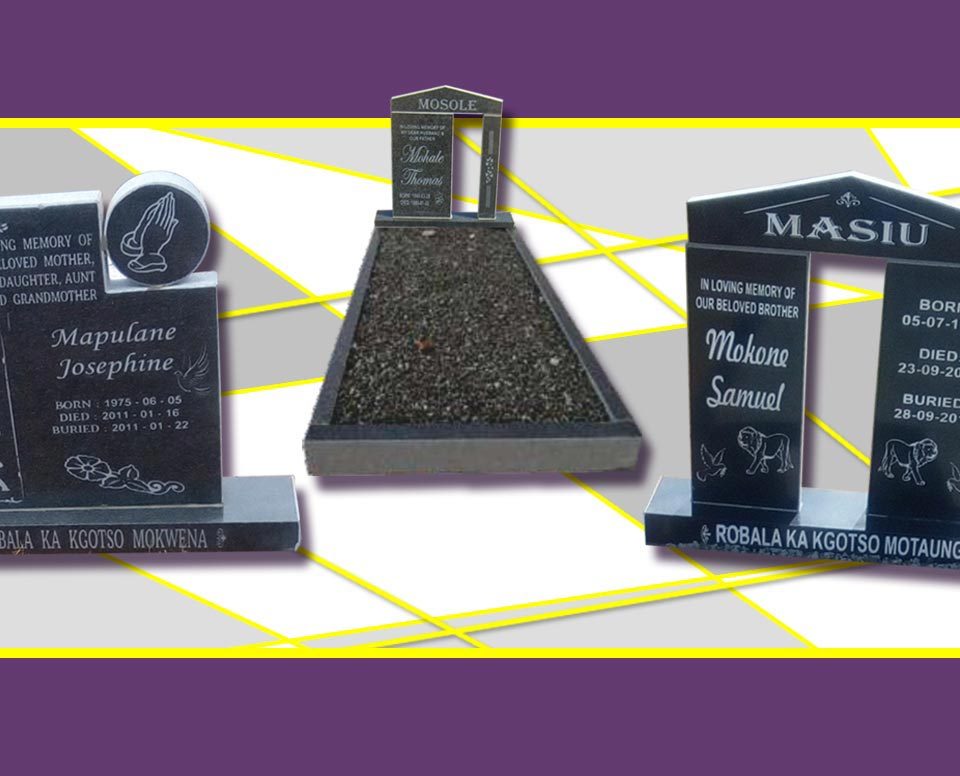
Royal Range

Budget Range

Standard Range

Executive Range

Double Range

Child Range

Tombstone installations in the Free State require more planning than selecting a memorial and choosing an inscription. Cemetery rules, grave conditions, access, transport and the intended unveiling date all affect how the work is arranged. Families often organise these details while living in another town or province, making clear communication especially valuable.
A properly planned installation gives the memorial a stable base, keeps its components aligned and reduces the risk of avoidable movement or damage. The correct approach depends on the memorial design and the conditions at the individual grave. There is no single installation method suitable for every cemetery or monument.
Free State conditions deserve consideration. Hot summers, thunderstorms, cold winters and occasional frost expose memorials to temperature changes and moisture. Travel distances between towns can also affect site inspections, deliveries and installation scheduling, particularly at rural cemeteries.
This guide explains the tombstone installation process, the questions to ask before ordering and how to compare memorial options. It also helps families prepare the information Tombco will need to assess an installation enquiry.
What does a tombstone installation include?
A tombstone installation generally covers the transport of the completed memorial to the cemetery, preparation of the permitted installation area, construction or placement of an appropriate base, assembly of the memorial components and final alignment. The exact scope depends on the product, grave layout and cemetery requirements.
A memorial can include several parts, such as a headstone, base, kerbs, slabs, pillars or decorative components. Larger and more complex designs require different handling and support from a simple headstone. Installers must also account for the weight distribution of the finished structure and the condition of the ground.
Professional installation is not merely a matter of placing the memorial on top of the grave. The team needs to inspect or assess the site, confirm dimensions and use an installation method appropriate to the design. Careful levelling and alignment are especially important where adjacent graves, paths or boundary structures restrict the working area.
Confirm cemetery requirements before ordering
Cemetery rules can differ between municipalities, private cemeteries and local burial grounds. Some sites regulate memorial dimensions, installation times, vehicle access and the type of foundation permitted. There may also be an approval process or a waiting period after burial.
Before approving a design, establish:
- The cemetery name and exact location.
- The grave or plot number and the deceased’s full details.
- Whether written permission or a permit is needed.
- The maximum dimensions allowed for the memorial.
- Whether the cemetery restricts full-cover memorials, kerbs or particular structures.
- Who is authorised to approve work on the grave.
- Which days and times installations are permitted.
- Whether vehicles can reach the grave or materials must be carried from an access point.
Do not assume that a memorial seen in another cemetery will automatically be accepted at the chosen site. Confirming the local rules first helps avoid redesigns, delayed installations and unnecessary transport costs.
How grave conditions affect tombstone installation
The soil over a recent burial is disturbed and can settle over time. The rate and extent of settlement are not identical at every grave. Rainfall, drainage, soil composition, backfilling and surrounding ground conditions all influence the site.
The cemetery or installer may require a specific period before work can begin. Families planning an unveiling should ask about this early instead of fixing a date based only on the completion of the memorial. If the site is not ready, rushing the installation can create problems that are difficult to correct later.
Drainage is another practical consideration. Water collecting around a grave can soften the surrounding soil and affect access during Free State summer rains. In winter, low temperatures and frost can influence suitable working and curing conditions. An installer may need to adjust the programme after heavy rain or other adverse weather.
Site access also matters. Cemeteries in larger centres may have defined roads and installation procedures, while a rural or community cemetery may have narrow entrances, uneven tracks or limited space between graves. The distance from the vehicle to the plot becomes particularly relevant for heavy memorial components.
Choosing a memorial that suits the grave and budget
The best choice is one that fits the family’s budget, commemorative preferences, cemetery rules and available grave space. Appearance is important, but size, component weight and installation complexity also affect the project.
Memorial options for different budgets
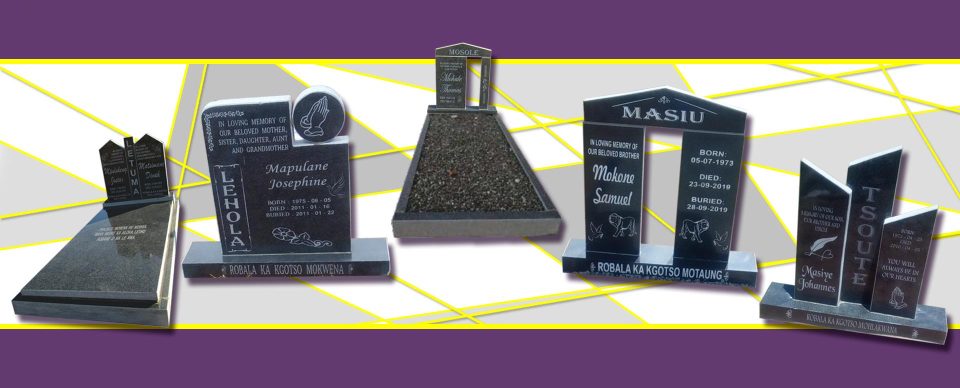
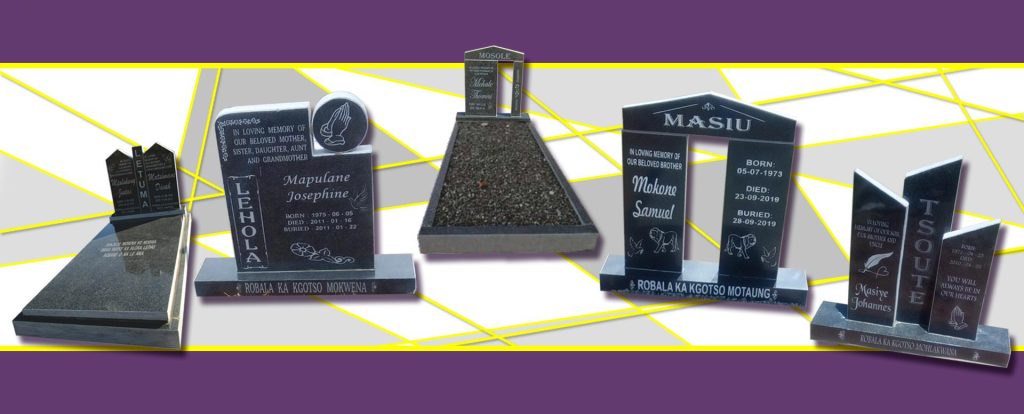
Families comparing accessible options can start with Tombco’s budget tombstone range. The standard memorial range provides another useful reference point for comparing designs and formats.
More detailed monuments can be explored in the executive tombstone collection and Royal range. Before settling on a larger design, confirm that the plot dimensions and cemetery rules accommodate it. Ask how the additional components affect delivery, foundation preparation and installation time.
Double and child memorials
A double tombstone needs careful measurement because it may cover two adjoining graves or a specifically allocated double plot. Ownership or family authority, plot boundaries and cemetery approval need to be clear before production begins.
Tombco also presents a dedicated child memorial range. Families making this deeply personal choice can ask for help matching the design to the smaller grave dimensions and the applicable cemetery requirements.
Inscriptions and design approval
Check every inscription before authorising production. Names, initials, dates, family relationships, religious wording and punctuation must be accurate. If the wording is in Sesotho, Afrikaans, English or another language, provide the final text exactly as it must appear.
A useful approval process includes checking the spelling against official family records and asking another relative to proofread the layout. Changes are far easier to make during the design stage than after lettering has been completed.
The usual tombstone installation process
The sequence differs according to the cemetery and memorial, but most installations follow several practical stages.
- Initial enquiry: The family provides the cemetery location, grave details, preferred memorial range and target date.
- Rule and site confirmation: Plot dimensions, access conditions and cemetery requirements are checked. A site assessment may be necessary where information is incomplete or the grave is difficult to locate.
- Design selection: The family chooses a suitable memorial and confirms the inscription, finishes and permitted dimensions.
- Written approval: Names, dates, wording and design details are checked before production proceeds.
- Installation planning: The installer coordinates transport, site access and the appropriate installation method. Weather and cemetery operating times may influence the date.
- Site preparation and assembly: The working area is prepared and the memorial is installed, levelled and aligned in accordance with the approved design and site conditions.
- Completion check: The finished work is inspected for alignment, cleanliness and visible damage. Families can request photographs where they cannot attend.
Ask what is included at each stage. Site preparation, removal of an old memorial, additional foundation work, long-distance transport and permit-related tasks may need separate consideration depending on the grave.
Information needed for an accurate installation enquiry
An installer can respond more usefully when the initial enquiry includes specific information. A town name alone is rarely enough, particularly where several cemeteries serve the same community.
Prepare the following details:
- The province, town, cemetery name and nearest identifiable entrance.
- The section, row and grave or plot number.
- The deceased’s full name and burial date.
- A photograph of the grave and surrounding area, if available.
- Photographs of any existing memorial that must be retained or removed.
- The preferred product range or a reference image from Tombco’s website.
- The required inscription and language.
- The preferred unveiling date.
- The name and contact details of the family representative.
A location pin can be helpful at cemeteries without clear section markers, but it should support rather than replace the grave number and deceased’s details. A relative or cemetery representative may still need to identify the correct plot before work begins.
What affects the cost of a Free State tombstone installation?
A useful quotation needs to reflect the complete project, not only the visible memorial. Tombstone installation costs can vary because the size, weight and number of components affect handling, transport and site preparation.
Common cost factors include:
- The selected memorial range and design complexity.
- Single, double or child grave dimensions.
- Lettering, artwork and design requirements.
- Distance between the dispatch point and cemetery.
- Road and grave access.
- The condition of the site and work needed to prepare it.
- Cemetery permissions or locally applicable fees.
- Removal or alteration of an existing structure.
- The amount of assembly required at the grave.
Ask for a written quotation that clearly identifies the memorial, inscription and installation scope. If two quotations differ substantially, compare what each includes before comparing the totals. A lower figure may exclude transport, site work or another necessary service.
Planning an unveiling without rushing the work
Many families select an unveiling date linked to a religious observance, anniversary or gathering of relatives. Work backwards from that date and allow time for design approval, production, transport, cemetery permission and installation.
Avoid arranging travel or printing programmes until the installation schedule has been discussed with the supplier. Weather, cemetery access and site readiness can affect outdoor work. Where relatives are travelling between Bloemfontein, Welkom, Bethlehem, Kroonstad, Sasolburg, QwaQwa or smaller Free State communities, early coordination also reduces last-minute uncertainty. These examples do not confirm coverage; current service availability for a specific cemetery must be checked directly with Tombco.
If the date cannot move, explain that at the beginning of the enquiry. The supplier can then advise whether the requested memorial and installation timetable are realistic. A design that is available sooner is not necessarily suitable if cemetery approval or ground conditions remain unresolved.
How to compare tombstone installation providers
Good comparisons are based on scope, communication and suitability, not slogans. Ask each provider the same practical questions:
- Will the cemetery rules and grave dimensions be checked before production?
- Does the quotation include transport and installation at the named cemetery?
- How will the design and inscription be approved?
- Who coordinates access or permission with the cemetery?
- What happens if the grave cannot be located or site conditions differ from the information supplied?
- Will completion photographs be available?
- Who should the family contact if they notice an issue after installation?
Keep quotations, approved layouts, receipts and correspondence together. Use one family representative to provide instructions wherever possible. Conflicting messages from several relatives can delay design approval or lead to mistakes in wording.
Caring for a memorial after installation
Allow any installation materials to set or cure for the period advised by the installer. Family members should not push, sit on or lean heavy objects against the memorial. Decorations also need to be placed carefully so that they do not scratch surfaces or obstruct lettering.
For routine cleaning, first ask what is suitable for the specific material and finish. Abrasive tools, harsh chemicals and improvised stain removers can mark polished surfaces or damage lettering. Begin with the gentlest recommended method and avoid forcing water into joints.
Inspect the memorial periodically, especially after severe weather. Report movement, open joints, unstable components or cracks instead of attempting a structural repair without guidance. Damage caused by ground movement, impact or vandalism requires assessment before the correct remedy can be identified.
Free State service-area enquiries
Installation availability depends on the cemetery’s location, access and the supplier’s current operating area. The most reliable approach is to use Tombco’s contact and branch information to confirm coverage for the specific Free State town and cemetery.
Provide the exact cemetery details when making contact. This is particularly useful outside the main centres, where two places with similar names can be far apart and travel routes may not be obvious. Tombco can then advise on the relevant next step without the family choosing a monument on assumptions about delivery or installation.
Frequently asked questions about tombstone installations in the Free State
How long after a burial can a tombstone be installed?
There is no universal waiting period for every grave. Cemetery rules, soil settlement, weather, grave preparation and the proposed memorial all affect timing. Confirm the requirements with the cemetery and installer before selecting an unveiling date.
Can Tombco install a tombstone in any Free State town?
Coverage needs to be confirmed for the exact cemetery. Send Tombco the town, cemetery name, grave number and location details through the contact page so the team can assess current service availability and access requirements.
What must I check before approving a tombstone inscription?
Check the deceased’s full name, initials, dates, spelling, punctuation and family wording. For inscriptions in Sesotho, Afrikaans, English or another language, submit the exact final text and ask a second family member to proofread it before production.
Arrange a Tombco installation enquiry
For help with tombstone installations in the Free State, choose a suitable option from Tombco’s memorial ranges and gather the cemetery, grave and inscription details. Then contact Tombco directly to confirm service coverage, site requirements and the next steps for a quotation. The more precise the location and grave information, the easier it is to plan the installation correctly.
Areas We Cover
Hennenman | Bethelehem | Bothaville | Kroonstad | Virginia | Senekal | Wesselsbron | Welkom | Bloemfontein | Thaba ‘Ncu | Botshabelo | Theunissen