- Call the factory at
- 057 573 1685


Marble vs granite gravestones
August 24, 2026How much does a granite headstone cost?
October 1, 2026
Royal Range

Budget Range

Standard Range

Executive Range

Double Range

Child Range

How much does a gravestone cost? There is no single price that applies to every memorial in South Africa. The final amount depends on the gravestone’s size, material, design, inscription, cemetery requirements, delivery distance and installation conditions. A simple single memorial will generally cost less than a large, highly detailed structure or a double gravestone.
The most reliable way to establish the cost is to request an itemised quotation for a specific design and cemetery. This allows the supplier to account for the memorial itself, lettering, transport, installation and any optional features rather than giving a starting price that may exclude essential work.
Families also need to consider more than the purchase price. The gravestone must suit the available plot, comply with cemetery rules and be installed on a suitable foundation. Choosing a design before confirming these details can lead to unexpected costs or changes later.
This guide explains the main gravestone price factors, the differences between common memorial ranges and the questions to ask before accepting a quotation in the Free State or elsewhere in South Africa.
What determines how much a gravestone costs?
Two gravestones that appear similar in a photograph may have different prices because of their dimensions, stone thickness, finish, lettering and structural requirements. Delivery and installation can also vary considerably between cemeteries.
The following factors usually have the greatest effect on the quoted amount.
Material and stone quality
Granite is widely used for gravestones because it is durable, can be polished and is available in different colours and finishes. The origin, grade, colour, thickness and quantity of stone required all influence cost. Some colours or stone types may be less readily available than standard options.
A lower initial price should not be considered in isolation. Ask what material is being supplied, how thick the main components are and which surfaces will be polished. The memorial will remain outdoors in sun, rain, frost and changing temperatures, so material and workmanship matter.
Size and type of memorial
A compact headstone uses less material than a full memorial that covers much of the grave. Larger bases, kerbing, ledgers, pillars and decorative sections increase both material use and labour.
The type of grave matters too. A single memorial is designed for one plot, while a double gravestone generally spans two adjoining graves and needs more stone, a broader foundation and additional installation work. Child memorials are usually smaller, although detailed customisation may still affect the total.
Design complexity
Straightforward shapes are usually more economical to manufacture than designs involving multiple layers, curves, columns, raised sections or intricate cut-outs. A memorial assembled from numerous components also requires more handling and installation time.
Custom work may involve design preparation, specialised cutting or additional finishing. If a family wants a distinctive shape, religious symbol or culturally significant feature, it is worth discussing the idea early so that the quotation reflects the actual work.
Inscriptions, photographs and decorative work
Most gravestones include the deceased’s name, dates and a personal message. The price may change according to the amount of text, lettering method, letter size, font and colour treatment.
Portraits, ceramic photographs, etched images, emblems and other decorative elements may be priced separately. Before approving an inscription, check every name, date and line of wording carefully. Correcting an error after lettering has been completed may be difficult or costly.
Accessories and optional features
Vases, flower holders, plaques and other additions can increase the total. Ask whether the accessories shown in a product photograph form part of the quoted design or are display options. Small differences between the photograph and quotation can otherwise create confusion.
Foundation and installation
A gravestone needs a stable, appropriate base. Foundation requirements depend on the design, soil, grave condition and cemetery rules. A large memorial may require more extensive preparation than a simple upright headstone.
Installation is skilled physical work involving heavy stone components. The quotation should state whether assembly, foundation work, installation materials and site clean-up are included. Families should not assume that a product price automatically includes installation.
Transport and cemetery access
Distance from the supplier or installation team to the cemetery can affect the price. Access within the cemetery matters as well. Narrow paths, uneven ground, restricted vehicle access or a grave located far from an entry point can increase handling requirements.
For installations in Free State towns, provide the cemetery’s full name and location when requesting a quote. Tombco’s contact information and service-area details can help families confirm whether their cemetery is covered and what information is needed.
Cemetery rules and separate charges
Municipal, church and private cemeteries may apply their own rules regarding memorial dimensions, foundations, installation times and contractor access. Some may require permission before work begins or charge fees separately from the gravestone supplier.
These cemetery-related costs should not be assumed to form part of a supplier’s price unless they are specifically listed. Contact the cemetery or relevant municipality to establish the current requirements for the plot.
Comparing gravestone ranges by budget and design
Product ranges provide a practical starting point, but they should not be treated as universal price bands. The final quote still depends on the selected model, inscription, destination and installation requirements.
Budget gravestones
A budget gravestone range is suited to families seeking a dignified memorial with a simpler design and controlled level of customisation. Compare the complete specification rather than choosing only from the headline price. Confirm the dimensions, included lettering, foundation, transport and installation.
Standard gravestones
The standard gravestone collection offers another reference point for comparing styles and memorial structures. Standard does not mean that every quotation will be identical; stone selection and personal details still affect the amount.
Executive and Royal memorials
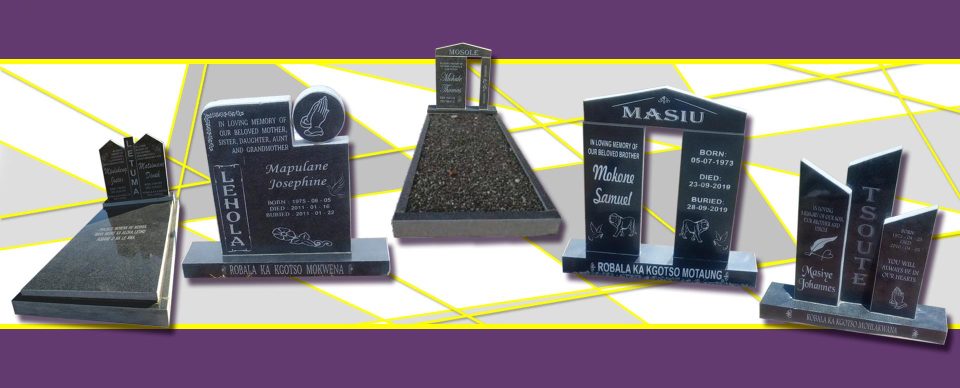
More elaborate designs may use larger components, layered structures and additional decorative features. Families considering a prominent memorial can compare Tombco’s Executive range and Royal range. Request a full specification so that the differences between designs are clear.
Double gravestones
A double gravestone is intended for adjoining graves and will generally require more material and broader site preparation than a single memorial. Before ordering, verify plot ownership, plot positions, available dimensions and the cemetery’s rules for a memorial spanning two graves.
Gravestones for children
Child memorials have different proportions and may include gentle shapes or personalised imagery. Tombco’s child gravestone range can help families review suitable designs. Ask how photographs, motifs, wording and other personal touches will affect the quotation.
What should a gravestone quotation include?
An itemised quote makes comparison easier and reduces the likelihood of unexpected additions. Product photographs alone do not show what is included in the price.
Ask the supplier to specify:
- The exact gravestone model, dimensions, material, colour and finish
- Which base, slab, kerbing or structural components are included
- The amount and type of inscription included in the price
- The cost of extra lettering, photographs, emblems or artwork
- Any vases, plaques or accessories included
- Foundation preparation and installation work
- Transport to the named cemetery
- Any cemetery charges that are included or excluded
- Payment terms and the point at which the final design must be approved
- The estimated production and installation process, subject to site access and cemetery approval
Compare like with like. One quotation may appear cheaper because it excludes delivery, installation or lettering that another supplier has already included. If any part of a quote is unclear, ask for a written explanation before paying a deposit.
How to set a realistic gravestone budget
Start with the maximum amount the family can comfortably spend. Then divide the decision into essentials and optional details. The essential components may include the memorial structure, a stable foundation, the deceased’s identifying details, delivery and installation. A longer message, portrait, extra ornamentation or accessories may be optional.
This approach helps prevent emotional pressure from pushing the purchase beyond the available budget. A simpler, properly installed memorial can be more appropriate than an elaborate design that creates financial strain.
It is also sensible to involve the relevant family members before approving the order. Agree on the spelling of names, dates, language, message, religious references and design. Written agreement can reduce late changes and additional manufacturing work.
Steps for getting an accurate gravestone price
- Confirm the cemetery and grave. Record the cemetery’s full name, town, section and grave or plot number.
- Check the cemetery rules. Find out whether there are size restrictions, application requirements, fees or prescribed installation periods.
- Choose the memorial category. Decide between a single, double, child, full-cover or simpler headstone-style memorial.
- Select a suitable design. Use the family’s budget and preferred level of detail to narrow down the options.
- Prepare the inscription. Supply names, dates and wording exactly as they should appear. Do not rely on handwritten information if any characters are unclear.
- Request an itemised quotation. Give the supplier enough site and design information to price transport, installation and personalisation.
- Review the design proof. Check spelling, dates, layout, image quality and symbols before giving written approval.
- Confirm installation arrangements. Establish who handles cemetery permission, site preparation and communication about the installation date.
Common mistakes that can increase the cost
Ordering before checking cemetery restrictions is a frequent and avoidable problem. A design may need to be altered if it exceeds the permitted size or does not meet foundation requirements.
Another mistake is comparing only the visible memorial price. Delivery, lettering and installation are substantial parts of the completed job. A quote that excludes them does not represent the full cost of placing the gravestone at the grave.
Late changes can also add cost and delay production. This includes changing the stone colour, replacing a photograph, adding wording or correcting details after cutting or engraving has started. Careful proof checking is one of the simplest ways to avoid this.
Families should also avoid selecting a supplier solely because of the lowest quote without checking the specification. Different dimensions, stone thicknesses, finishes and installation inclusions can make two apparently similar products quite different.
How long after a burial can a gravestone be installed?
There is no universal waiting period that applies to every cemetery and grave. Soil conditions, backfilling, rainfall, foundation design and cemetery policy can all affect timing. The cemetery and installer should be consulted before a date is chosen.
Installing a heavy memorial without suitable ground preparation may contribute to movement or instability. The correct response is not simply to choose an arbitrary number of months, but to assess the grave and follow the relevant cemetery requirements.
Questions people ask about gravestone prices
What is the cheapest type of gravestone?
A smaller, straightforward memorial with limited decorative work will generally be more affordable than a large full-cover or multi-piece design. The cheapest completed option still needs to account for lettering, transport, foundation work and installation.
Is installation included in a gravestone price?
Not always. Suppliers structure quotations differently. Ask for written confirmation of whether the quoted amount includes the foundation, installation materials, labour, transport and cemetery-related charges.
Does a longer inscription cost more?
It may. Pricing can depend on the number of letters or lines, the lettering technique and any colour or finish applied. Confirm how much standard lettering is included and how additional text is charged.
Are double gravestones more expensive than single gravestones?
Double gravestones generally use more material and require a larger foundation, so they tend to cost more than comparable single designs. The exact difference depends on dimensions, design, stone and installation conditions.
Can I get a gravestone quote without visiting a branch?
A supplier may be able to prepare an initial quotation from the selected design, inscription details and cemetery location. Site information may still be required before the installation price can be confirmed. Contact Tombco directly to establish the process for your Free State town.
Are cemetery fees part of the gravestone cost?
Cemetery fees may be separate. Municipal, church and private cemeteries have their own procedures and charges. A quotation should clearly state whether any such fees are included.
Request a gravestone quotation from Tombco
The clearest answer to how much a gravestone costs comes from a written quote based on the memorial design, inscription and actual cemetery. Browse Tombco’s product ranges to identify suitable options, then provide the cemetery location and personalisation details for accurate guidance.
Contact Tombco for a gravestone enquiry and confirm service availability for your Free State town. Ask for an itemised quotation so that you can see what is included before approving the memorial.
Areas We Cover
Hennenman | Bethelehem | Bothaville | Kroonstad | Virginia | Senekal | Wesselsbron | Welkom | Bloemfontein | Thaba ‘Ncu | Botshabelo | Theunissen